100,000+
MT
composite waste generated in India every year. End-of-life FRP is landfilled or incinerated.
Source: PRT Innovations Pvt Ltd
Natural-fibre & hybrid FRP composites
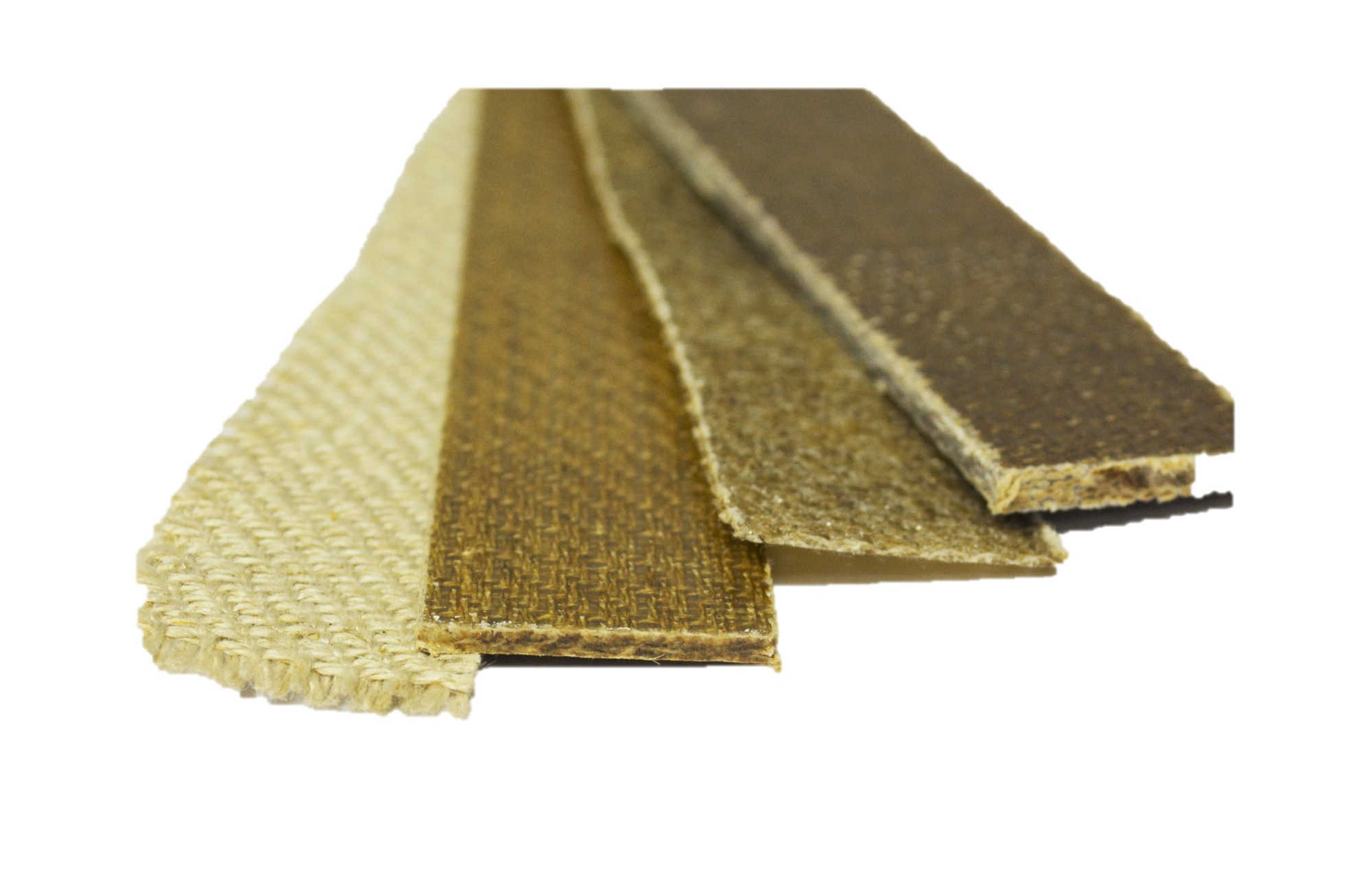
NaturoFiber develops natural-fibre and hybrid fibre-reinforced polymer (FRP) composites — building panels, rebar and structural profiles — that are lighter than steel, resist corrosion and carry a lower carbon footprint than conventional glass- and carbon-fibre composites.
Natural fibre. Structural grade.
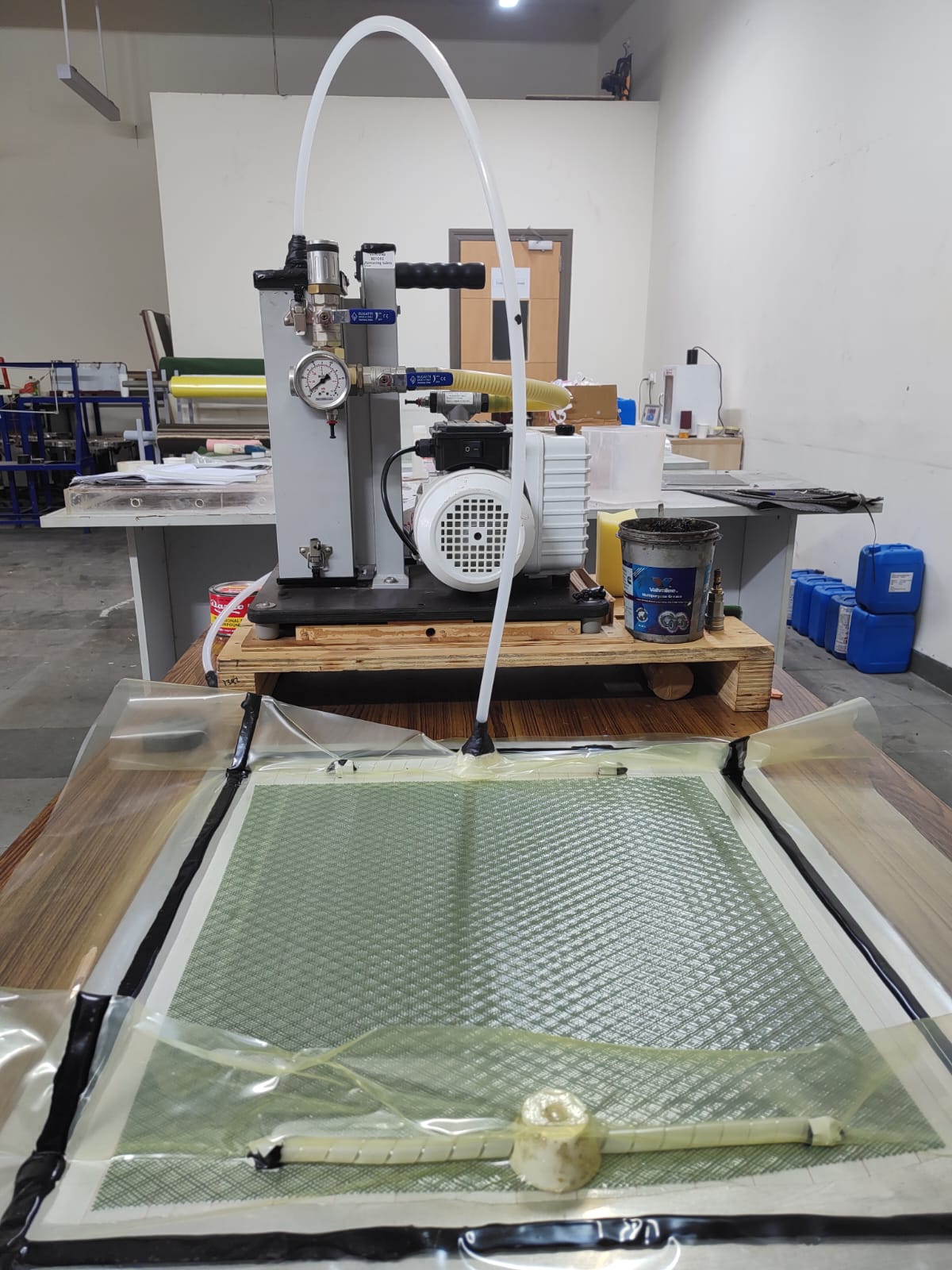
VARTM laminate layup · Composites laboratory, BITS Pilani
The problem
Automotive, aerospace, rail, packaging and green building in India all depend on energy-intensive synthetic fibre-reinforced polymers such as glass and carbon fibre.
100,000+
MT
composite waste generated in India every year. End-of-life FRP is landfilled or incinerated.
Source: PRT Innovations Pvt Ltd
1.7–2.5
t CO₂e
emitted for every tonne of glass fibre produced, plus ~17 GJ of energy per tonne of molten glass.
Source: Fortune Business Insights
0%
bio-based content in conventional fibreglass sheets, earning no local-material credit under IGBC and GRIHA.
Source: IGBC / GRIHA rating frameworks
The core question
How can India reduce its dependence on synthetic FRP with scalable, high-performance composites made from renewable natural fibre?
Our approach
Route
01
Locally sourced natural fibres such as kenaf replace synthetic glass fibre in non-structural and semi-structural components.
Route
02
Natural-fibre plies are interlaminated with high-performance carbon or glass fibre, putting strength exactly where the load path needs it — for demanding structural applications.
Hybrid laminate · exploded view
Highlight — Functional gradation
Fibre type, orientation and placement are graded through the thickness, so high-performance material goes only where performance is required. That is where the cost and carbon saving comes from.
Product platform
 In development
01
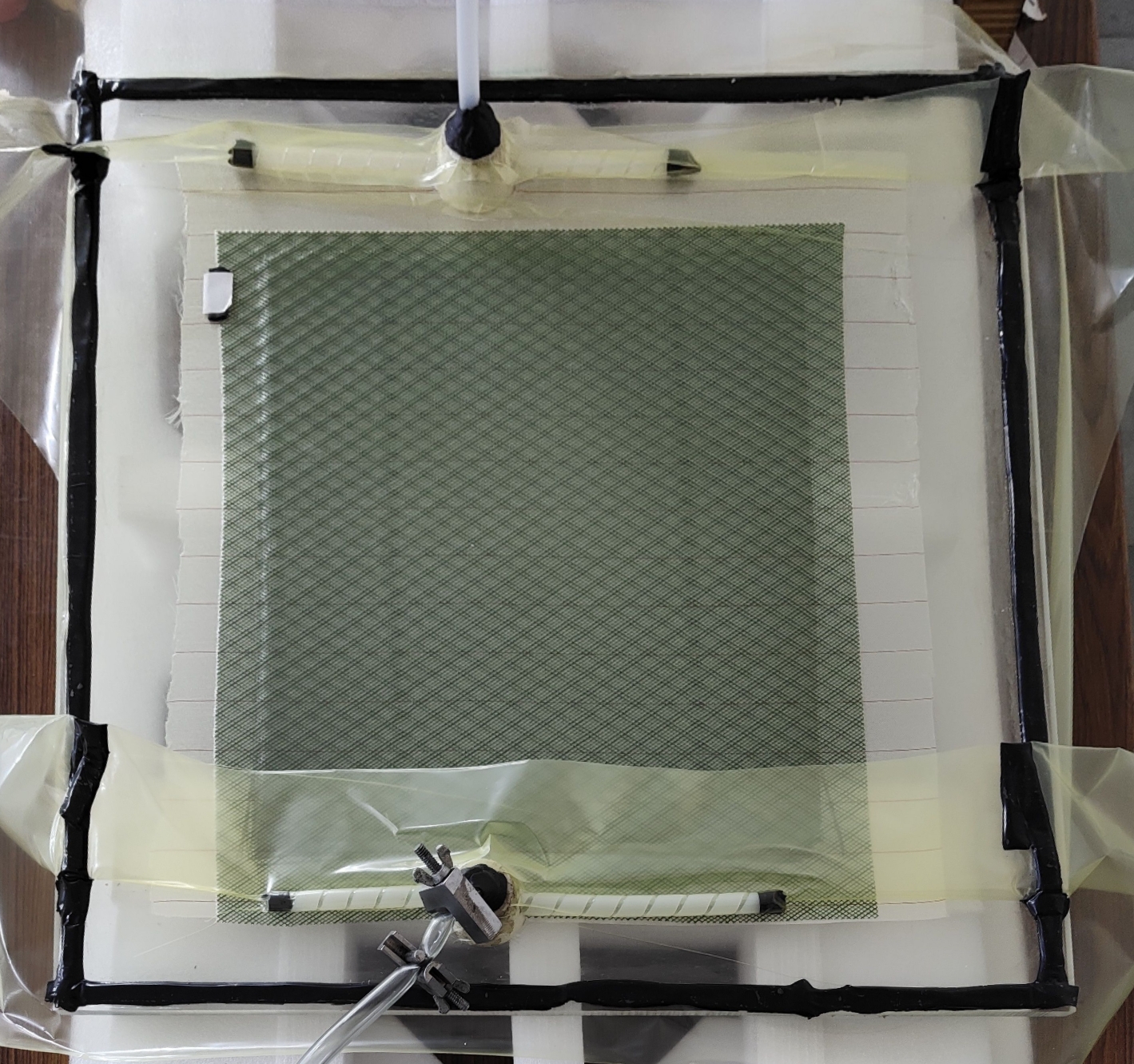
Wall, cladding, false-ceiling and partition panels. Lightweight and corrosion-free, with bio-based content for green-building ratings.
 In development
02
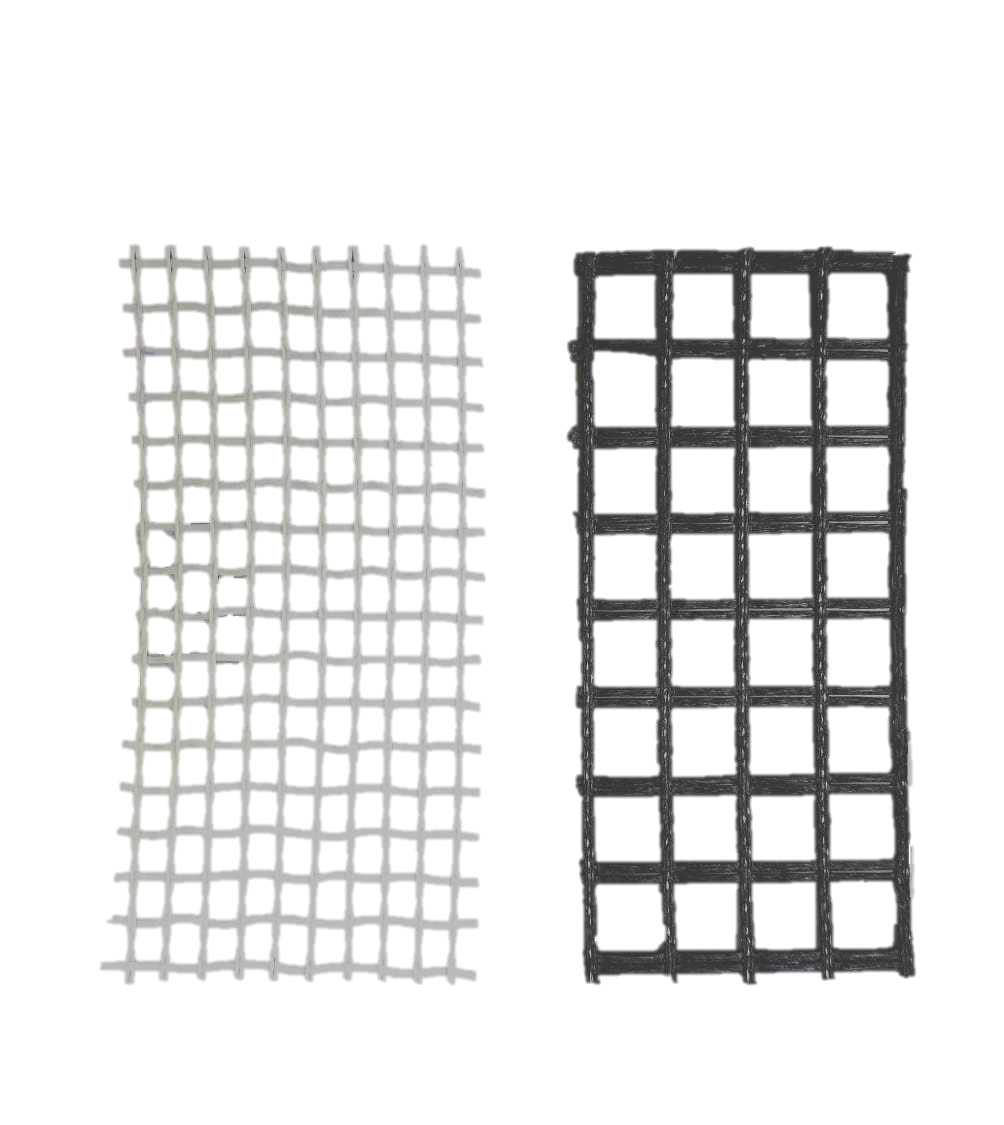
Non-corroding reinforcement for concrete and soil in aggressive environments.
03
Pultruded and filament-wound beams, plates, shells and tubular sections.
04
Co-developed parts for automotive, rail, aerospace and industrial OEMs.
Why NaturoFiber
| Parameter | Conventional steel | Conventional FRP | NaturoFiber |
|---|---|---|---|
| Reinforcement | Steel / metallic | Glass, carbon or aramid fibre | Natural fibre + hybrid architectures |
| Corrosion | Needs protection and maintenance | Generally corrosion-resistant | Corrosion-resistant polymer composite |
| Weight | Heavy — handling and transport penalty | Lightweight, high specific strength | Lightweight hybrid elements, high specific strength |
| Carbon footprint | Energy-intensive production | Relies on energy-intensive synthetic fibre | Renewable fibre content, LCA-benchmarked |
| Material tailoring | Grade and section selection | Fibre type, orientation and lay-up | Plus hybridisation and functional gradation |
| Ductility | Ductile, but corrosion-prone | Can be brittle | Hybrid lay-up and toughened matrix for better energy absorption |
Swipe the table horizontally to compare →
Capabilities
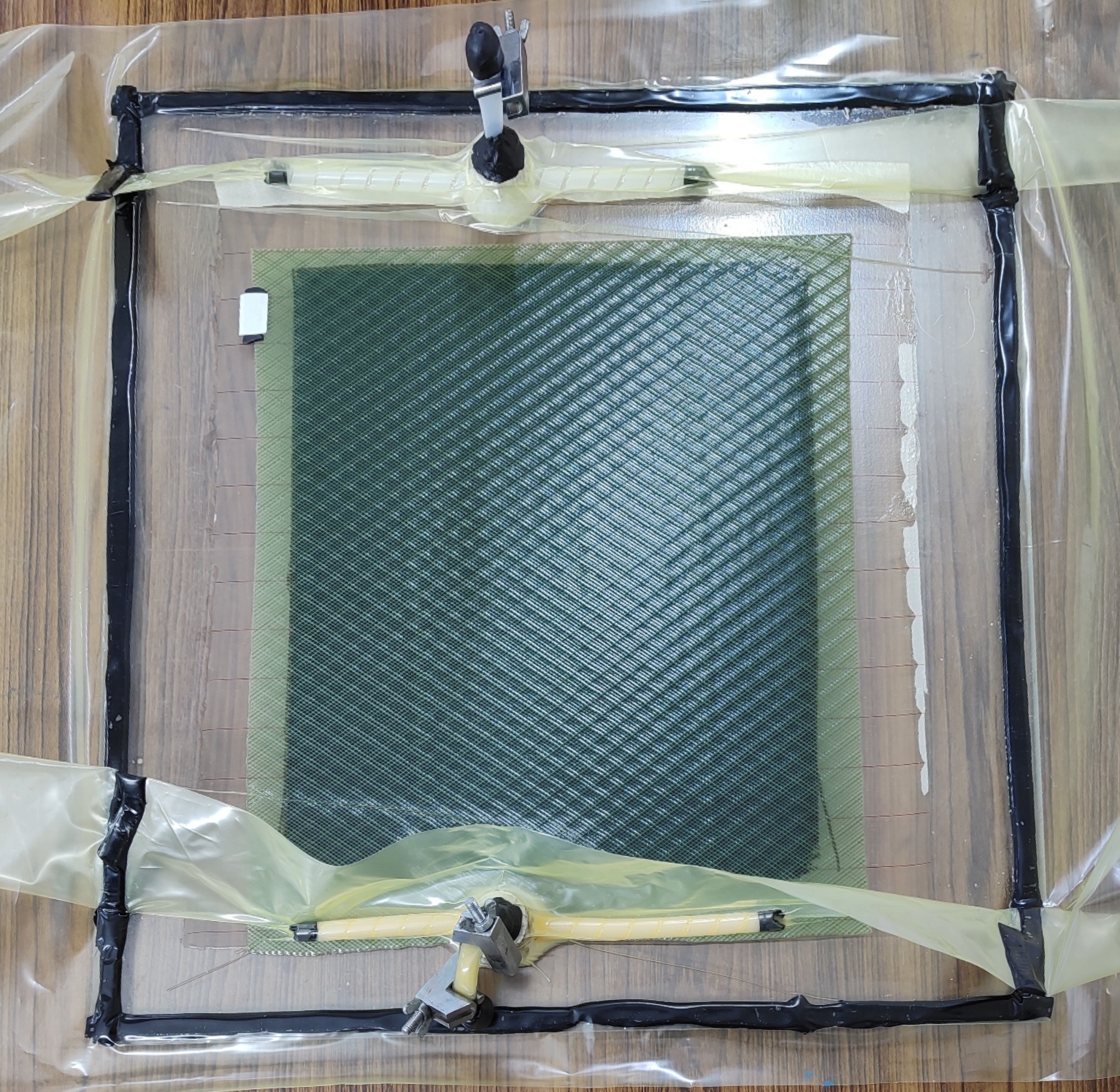
Fabrication, testing and structural design in the composites and structures laboratories of the Department of Civil Engineering, BITS Pilani.
01
Void-free laminates of natural, synthetic and hybrid fibre.
02
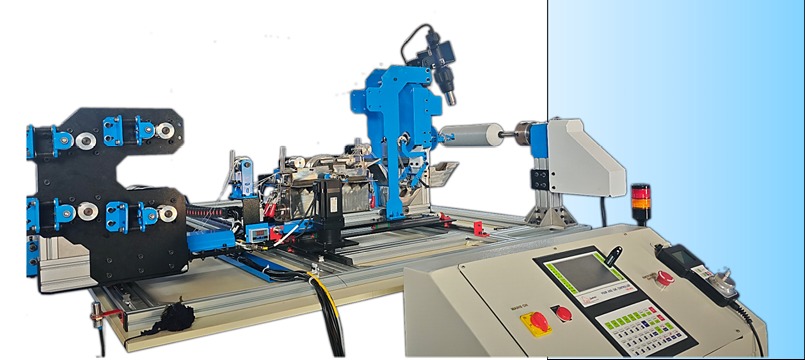
Continuous profiles, rebar and tubular sections.
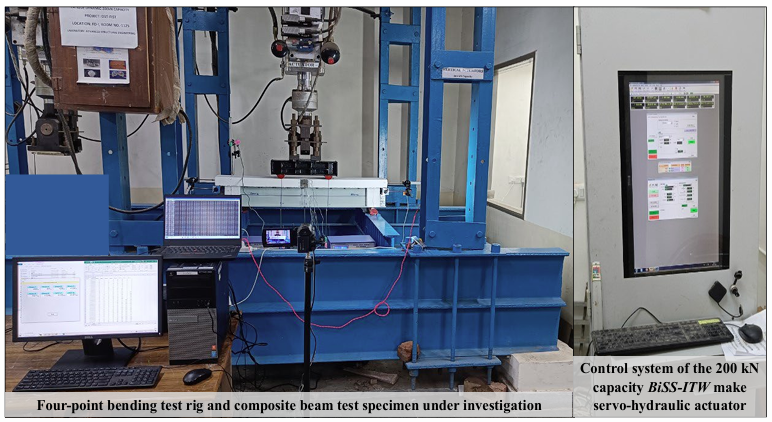 200 kN servo-hydraulic actuator
03
Four-point bending rig with a 200 kN servo-hydraulic actuator for full-scale beam tests.
04
Nonlinear FE analysis and design guidelines for FRP and functionally graded structures.
Process line
Applications
Wall panels, cladding, false ceilings, partition systems
Door trims, seat-backs, underbody covers, boot panels
Sidewall, ceiling, floor and partition panels
Cabin panels, interior partitions, overhead compartments, acoustic panels
Crates, protective cases, equipment housings, pallets
Also exploring
acoustics · healthcare equipment · sports · marine · defence · agricultural equipment
Sustainability
Where we are
STAGE 01 · CURRENT
R&D & prototyping
STAGE 02
Industry validation
STAGE 03
Pilot orders
STAGE 04
Repeat production
0–6 months
Select the first two to three market product families; shortlist fibre, matrix and hybrid architectures.
6–12 months
Mechanical baseline plus moisture, thermal and environmental durability testing.
12–18 months
Wall panels, plates and shells, beam sections and tubular sections.
Work with us
01
Joint development, customer-specific prototypes and application qualification.
Start a development project02
Climate-tech, deep-tech and advanced-materials innovation from India.
Request our investor brief03
Testing, characterisation and research collaboration.
Collaborate with usFounders
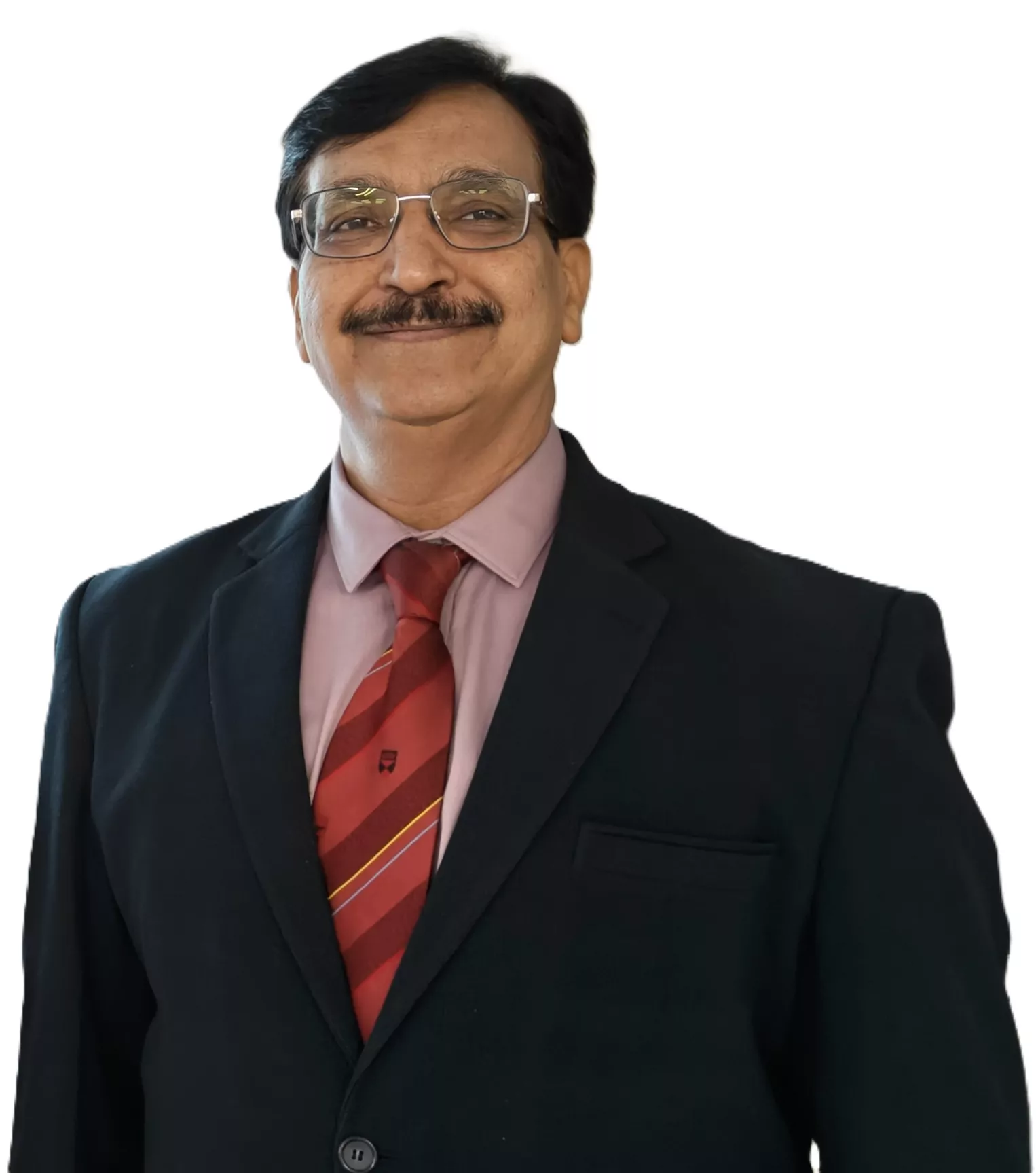
Co-Founder
Senior Professor & Shri S. K. Birla Chair Professor, Department of Civil Engineering, BITS Pilani
Ph.D. (IIT Kanpur) · P.E. (Michigan, USA) · Fellow ASCE, SEI, ICE (UK) · Member, ACI Committee 440
Advanced composite materials, FRP structures, functionally graded composites and finite-element modelling. Leads technology vision, structural FRP architecture and product validation.

Co-Founder
Associate Professor, Department of Civil Engineering, BITS Pilani
Ph.D. & M.E., Structural Engineering (BITS Pilani)
Earthquake-resistant design of concrete structures, fire resistance and nonlinear finite-element analysis. Leads structural analysis, prototype assessment and product development.
Contact
Tell us what you’re working on. We reply within two working days.
Prof. Shamsher Bahadur Singh
Dr. G. Muthukumar